
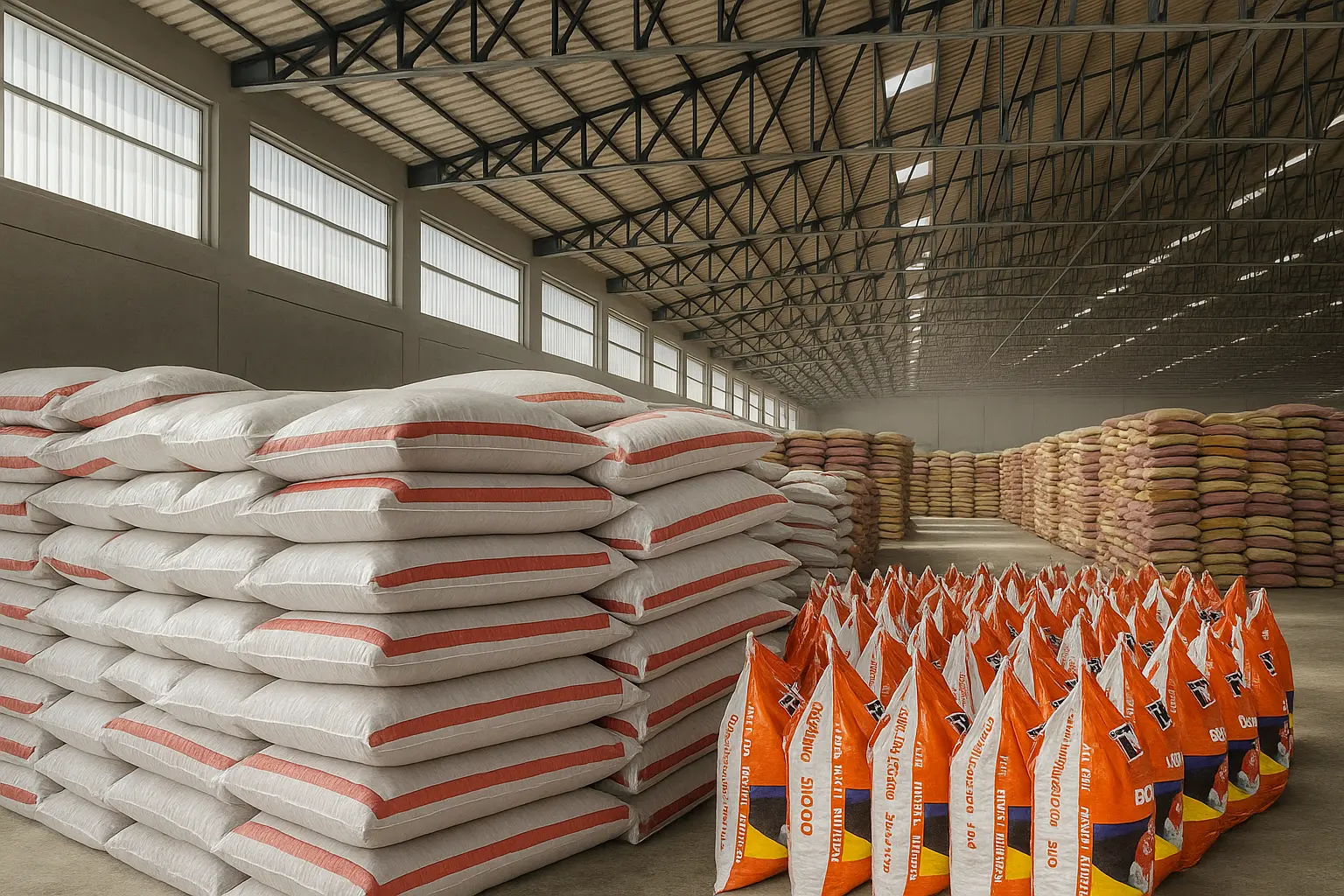
How to Increase Milk Yield in Cows & Buffaloes in Punjab & Haryana
Milk yield is the most important factor for dairy farmers in Punjab and Haryana. With rising feed costs and increasing competition, improving milk production per animal is essential for higher profitability.
1. Provide Balanced Nutrition
A balanced diet including energy, protein, fiber, minerals, and vitamins is crucial. High-yielding cattle require energy-rich feed to sustain milk production.
Using scientifically formulated cattle feed like high-energy concentrate feed helps improve digestion, nutrient absorption, and milk output.
2. Focus on Quality Cattle Feed
Farmers should always choose lab-tested, consistent-quality cattle feed. In regions like Punjab, where green fodder varies seasonally, a reliable feed ensures stable production.
- Improves milk yield
- Enhances fat percentage
- Boosts immunity
3. Maintain Proper Feeding Schedule
Feeding cattle at fixed times daily improves rumen efficiency and digestion. Sudden changes in feed can reduce milk yield.
4. Ensure Clean Water Supply
Milk production is directly linked to water intake. Always provide clean and fresh water throughout the day.
5. Reduce Stress & Improve Comfort
Heat stress is common in North India. Proper ventilation, shade, and hygiene improve animal comfort and productivity.
Conclusion
By combining high-quality cattle feed, proper nutrition, and good farm management practices, dairy farmers in Punjab and Haryana can significantly increase milk yield and profitability.
Best Cattle Feed in Punjab: How to Choose the Right Feed for Maximum Milk Yield
Choosing the best cattle feed in Punjab is critical for dairy farmers aiming for higher milk production and better animal health. With many options available in the market, selecting the right feed can be challenging.
1. Check Nutritional Balance
The ideal cattle feed should contain balanced energy, protein, fiber, minerals, and vitamins. Poor-quality feed leads to low productivity and health issues.
2. Look for Lab-Tested Feed
Always choose feed that is tested for quality and consistency. Reliable manufacturers ensure every batch meets nutritional standards.
3. Match Feed with Animal Stage
- Heifers → Growth feed
- Transition cattle → Pre/post-calving feed
- Milking cattle → High-energy feed
4. Consider Local Conditions
In Punjab and Haryana, seasonal fodder changes affect nutrition. A good cattle feed should compensate for these variations.
5. Evaluate Results, Not Just Price
Cheap feed may reduce immediate costs but leads to lower milk yield. High-quality feed delivers better long-term returns.
Conclusion
The best cattle feed is one that improves milk yield, maintains animal health, and delivers consistent performance across seasons.
How to Increase Milk Fat Percentage in Cows & Buffaloes Naturally
Milk fat percentage plays a major role in determining dairy farm income, especially in Punjab and Haryana where fat-based pricing is common.
1. Provide Adequate Fiber
Fiber is essential for rumen health and milk fat production. Include green fodder and dry roughage in the diet.
2. Use High-Quality Cattle Feed
Balanced feed with proper energy and fiber improves fat synthesis and milk quality.
3. Maintain Proper Feeding Ratio
Avoid excess concentrate feed. Maintain a proper balance between roughage and concentrate.
4. Avoid Sudden Diet Changes
Abrupt changes in feed can disturb digestion and reduce milk fat percentage.
5. Ensure Animal Comfort
Stress reduces milk quality. Maintain hygiene, ventilation, and proper housing conditions.
Conclusion
Improving milk fat percentage requires a combination of proper nutrition, balanced feed, and consistent farm management practices.